Upholstery Cleaning in Modern Homes: A Practical Approach to Fresher, Longer-Lasting Furniture
Upholstery cleaning plays a bigger role in home care than many people realize. Sofas, armchairs, ottomans, dining chairs, and fabric headboards are used every day, which means they collect dust, body oils, crumbs, pet hair, allergens, and stains over time. A regular upholstery cleaning routine helps protect your furniture, improve indoor air quality, and keep your living space looking fresh and inviting. Whether you have delicate linen, durable microfiber, plush velvet, or synthetic blends, the right upholstery cleaning methods can extend the life of your investment while making your home feel cleaner overall.
Many homeowners only think about upholstery cleaning when a visible spill happens. However, waiting until a stain appears can make maintenance more difficult and increase the chance of permanent marks. Routine care, spot treatment, and scheduled deep cleaning all work together to preserve fabric texture and color. Professional upholstery cleaning and at-home maintenance each have their place, and learning how to use both effectively can save time and money in the long run.
In today’s busy households, upholstery often becomes one of the hardest-working parts of a room. From movie nights on the couch to daily meals at upholstered dining chairs, fabric surfaces absorb a lot of wear. That is why upholstery cleaning should be seen as part of regular home upkeep rather than an occasional chore. Cleaner upholstery does more than improve appearance; it can also help create a healthier, more comfortable environment for everyone in the home.
Why Upholstery Cleaning Matters for Every Home
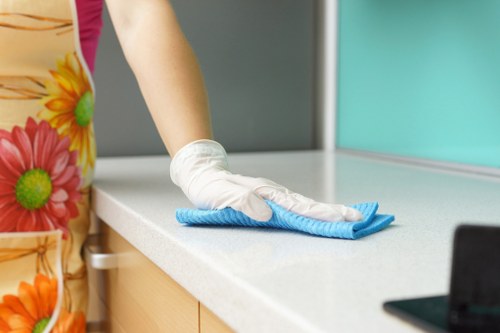
Upholstery cleaning is essential because fabric furniture naturally traps debris that vacuuming floors may not remove. Dust mites, pollen, pet dander, and fine particles settle deep into the fibers, where they can contribute to odors and trigger allergies. A thorough upholstery cleaning process lifts these contaminants from the material, leaving furniture cleaner and more pleasant to use.
Another major reason to prioritize upholstery cleaning is longevity. Fabric fibers break down faster when dirt and grime are left to sit. Over time, particles act like tiny abrasives that wear down the weave, dull the color, and make the fabric look older than it really is. Regular upholstery cleaning helps protect the texture and appearance of your furniture, which is especially important for high-use pieces.
It also improves the overall feel of a room. Clean upholstery can make a space look brighter, smell fresher, and feel more welcoming. If you are preparing for guests, rearranging a room, or simply trying to enjoy your home more, upholstery cleaning can make a noticeable difference without requiring a major renovation.
Understanding Different Upholstery Fabrics
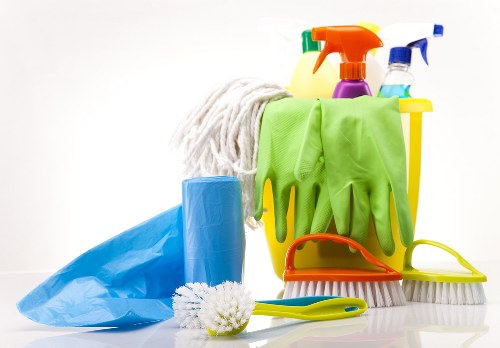
Before starting any upholstery cleaning routine, it is important to understand the type of fabric you are working with. Different materials react differently to water, heat, agitation, and cleaning agents. Using the wrong method can lead to shrinking, fading, water spots, or permanent damage, so fabric identification is a critical first step.
Common upholstery fabrics include cotton, linen, polyester, microfiber, velvet, wool blends, leather, faux leather, and performance fabrics. Some are naturally more absorbent, while others resist stains better. For example, microfiber often handles light cleaning well, but velvet may require a gentler approach. Leather furniture needs special conditioning, not just cleaning, to prevent drying and cracking.
Most upholstered furniture includes a care label with cleaning codes. These codes usually indicate whether the item can be cleaned with water, solvent-based cleaners, or only by a professional. Understanding these codes can make upholstery cleaning safer and more effective. If the label is missing or unreadable, testing a small hidden area first is always a smart move.
Common cleaning codes you may see
- W - Water-based cleaners are safe to use.
- S - Solvent-based cleaners only.
- WS - Water or solvent cleaners can be used.
- X - Vacuum only; no liquid cleaning.
Everyday Upholstery Maintenance Tips
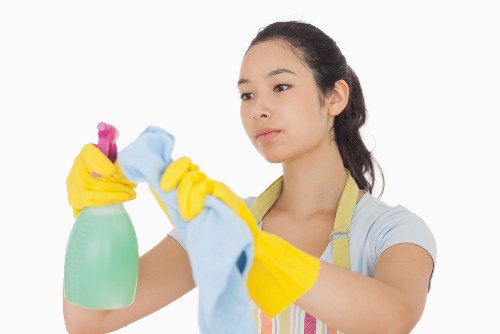
Good upholstery cleaning starts with simple everyday habits. Regular maintenance helps reduce buildup so that deep cleaning becomes easier and less frequent. Vacuuming upholstered furniture once a week can make a major difference, especially in homes with children, pets, or frequent visitors. Use a brush attachment to gently remove dirt from seams, cushions, and crevices.
Rotating cushions is another helpful habit. When cushions are flipped and turned regularly, they wear more evenly and keep their shape longer. This can also help reduce uneven fading in areas that receive more sunlight or daily use. Keeping an eye on food spills, pet accidents, and body oil build-up will make upholstery cleaning less stressful when it is time to tackle tougher issues.
It is also wise to limit exposure to direct sunlight where possible. Prolonged sun exposure can fade upholstery fabrics and weaken fibers over time. Using curtains, blinds, or repositioning furniture can help preserve the look of your upholstery. Small preventive steps like these support better upholstery cleaning results and reduce long-term damage.
Helpful daily and weekly habits
- Vacuum with a soft brush attachment.
- Blot spills immediately with a clean cloth.
- Keep pets off certain furniture if possible.
- Rotate and fluff cushions regularly.
- Use washable throws in high-traffic areas.
How to Handle Common Upholstery Stains

Stain removal is one of the most common reasons people seek upholstery cleaning help. The key to successful stain treatment is speed. The faster you blot a spill, the less likely it is to settle into the fibers. Always blot rather than rub, because rubbing can spread the stain and push it deeper into the fabric.
For liquid spills such as coffee, tea, juice, or soda, start by absorbing as much moisture as possible with a dry cloth. Then apply a suitable fabric-safe cleaner based on the upholstery code. For greasy stains, a mild detergent solution may help break down oil-based residue. For protein-based stains like food, sweat, or pet accidents, enzyme cleaners are often more effective because they target organic matter directly.
Some stains are more stubborn and may require repeated treatment. Ink, wine, makeup, and pet-related spots can be especially difficult, which is why upholstery cleaning often involves patience and the right products. When in doubt, avoid harsh chemicals that may bleach or weaken the fabric. If the stain does not respond to gentle treatment, professional upholstery cleaning is usually the safest next step.
Stain treatment basics
- Act quickly and blot excess material.
- Check the fabric care code before applying any solution.
- Test any cleaner in an unseen area.
- Use minimal moisture to prevent oversaturation.
- Allow the area to dry fully before using the furniture again.
DIY Upholstery Cleaning vs Professional Service
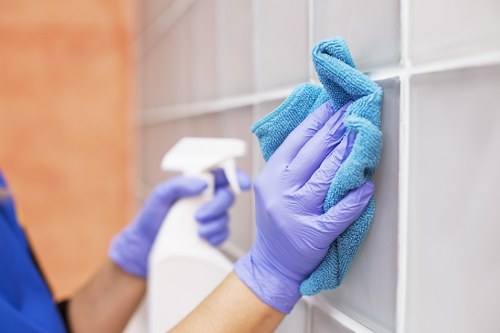
Many homeowners wonder whether they should handle upholstery cleaning themselves or hire a professional. The answer depends on the condition of the furniture, the type of fabric, and the level of soiling. DIY upholstery cleaning can be effective for light dirt, small stains, and routine upkeep, especially when you use the right tools and cleaning products. However, it may not be enough for deeply embedded grime or delicate materials.
Professional upholstery cleaning offers several advantages. Trained technicians understand fabric types, stain chemistry, and extraction methods. They often use advanced equipment that removes more dirt and moisture than typical household tools. This can lead to better results, faster drying times, and less risk of damage. For expensive, antique, or delicate pieces, professional care is often the best choice.
A balanced approach works well for many households. You can handle everyday vacuuming and spot treatment at home while scheduling periodic professional upholstery cleaning for a deeper refresh. This combination helps maintain both appearance and hygiene while keeping your furniture in strong condition for longer.
When DIY makes sense
- Light surface dust and debris
- Fresh minor spills
- Routine maintenance between professional visits
- Durable fabrics with clear cleaning codes
When to call a professional
- Set-in or unknown stains
- Delicate, vintage, or high-value furniture
- Strong odors from pets or smoke
- Large upholstered items that need deep extraction
Benefits of Regular Upholstery Cleaning
There are many practical and visual reasons to stay consistent with upholstery cleaning. First, it enhances comfort. Sitting on clean furniture simply feels better, and the freshness of well-maintained fabric can make a room more enjoyable to use. Clean upholstery also supports a more polished home aesthetic by helping furniture look newer and more vibrant.
Second, upholstery cleaning contributes to better indoor air quality. Fabric can trap allergens and dust, which may circulate when people sit down or move cushions. Removing these particles helps create a cleaner breathing environment, especially for households with allergies, asthma, or sensitivity to dust. This is one of the most overlooked advantages of regular upholstery cleaning.
Third, regular care can save money over time. Replacing upholstered furniture is expensive, and neglect often shortens the lifespan of fabric pieces. By investing in consistent upholstery cleaning, homeowners can delay replacement, reduce repair costs, and keep furniture looking presentable for years longer.
Dealing with Odors in Upholstery
Odor removal is another major part of upholstery cleaning. Fabrics can hold onto smells from cooking, pets, smoke, spills, and everyday body oils. Even when a couch looks clean, lingering odors can make a room feel less fresh. Addressing the source of the smell is the best way to improve results rather than masking it temporarily with sprays.
For light odors, vacuuming thoroughly and sprinkling a fabric-safe deodorizing powder may help. Let it sit for the recommended time, then vacuum it away. For stronger smells, steam-based or extraction-based upholstery cleaning may be necessary. These methods can remove odor-causing particles from deep within the fabric and padding, where surface treatments cannot reach.
Odors from pets or moisture require particular attention because they may involve bacteria or hidden residue. In those cases, a targeted upholstery cleaning solution designed for odor neutralization may be more effective. If the odor persists, professional treatment can help prevent recurring smells and address contamination more thoroughly.
Common causes of upholstery odors
- Pet accidents and dander
- Food spills and grease
- Smoke and cooking residue
- Sweat and body oils
- Trapped moisture or mildew
Seasonal Upholstery Cleaning Strategies
Seasonal changes are a good reminder to reassess upholstery cleaning needs. During spring and summer, pollen and outdoor debris can accumulate more quickly, especially if windows are open or pets spend time outside. In autumn and winter, closed windows and more indoor activity can lead to more dust, food spills, and lingering odors. Adjusting your cleaning schedule to match the season helps keep upholstery in better condition year-round.
Deep upholstery cleaning at the start of each season can be especially useful in high-traffic homes. It helps reset the furniture after months of use and prepares the home for the next stretch of weather and activity. This is also a great time to inspect seams, cushions, and hidden areas for early signs of wear, moisture damage, or staining.
Seasonal care does not need to be complicated. A simple plan that includes vacuuming, spot cleaning, fabric inspection, and periodic deep cleaning can be enough to maintain strong results. When upholstery cleaning is part of a seasonal routine, it becomes easier to manage before problems become costly.
Choosing the Right Upholstery Cleaning Method
Not all upholstery cleaning methods are the same. The right approach depends on the fabric, the severity of soiling, and whether the goal is maintenance, stain removal, or odor control. Common methods include vacuuming, dry cleaning, foam cleaning, hot water extraction, and steam cleaning. Each has benefits and limitations, which is why selecting the proper method matters.
Hot water extraction is often used for deep upholstery cleaning because it can lift dirt from deeper layers of the fabric and padding. Dry cleaning methods are better suited for fabrics that cannot handle much moisture. Foam cleaning can work well for spot treatment or lighter cleaning on certain materials. Steam cleaning may be useful in some cases, but it should be applied carefully because excess heat and moisture can damage sensitive fabrics.
If you are unsure which method is safest, always consult the care label or a trusted upholstery cleaning professional. Matching the method to the fabric is just as important as choosing the right cleaning product. A careful approach protects your furniture and improves the final result.
Method selection checklist
- Check the fabric code or manufacturer instructions.
- Consider stain type and age.
- Assess how much moisture the fabric can tolerate.
- Use gentle tools on delicate textures.
- Prioritize drying time to prevent mildew.
How Upholstery Cleaning Supports a Healthier Home
Clean furniture can make a home feel healthier in subtle but meaningful ways. Upholstery cleaning removes dust, allergens, and other particles that may otherwise settle into the fabric and recirculate in the air. This is especially helpful in households with children, elderly family members, or anyone sensitive to environmental irritants.
It also reduces the risk of lingering bacteria and buildup from food crumbs, spilled drinks, and pet contact. While upholstery cleaning is not a substitute for all forms of sanitation, it is an important part of overall home hygiene. Keeping soft furnishings clean helps support a more pleasant and more comfortable living environment.
When paired with regular vacuuming, proper ventilation, and good household habits, upholstery cleaning becomes a valuable part of a healthier home routine. Small investments in cleanliness often lead to noticeable improvements in comfort and peace of mind.
How Often Should Upholstery Be Cleaned?
The ideal upholstery cleaning schedule depends on how much use the furniture gets. A lightly used formal sofa may only need deep cleaning once a year, while a family room couch or frequently used dining chairs may require attention more often. Homes with pets, small children, or smokers typically need more frequent maintenance because fabrics accumulate dirt and odors faster.
As a general rule, vacuum upholstered furniture weekly, address spills immediately, and schedule deeper upholstery cleaning every 6 to 12 months. If the furniture sees heavy daily use, consider professional upholstery cleaning more often. Regular attention prevents buildup and makes each cleaning session more effective.
Timing also matters. If your furniture looks dull, smells stale, or feels sticky, it is probably due for cleaning even if the calendar says otherwise. Upholstery cleaning should respond to real household conditions, not just a fixed schedule. Listening to what your furniture needs is one of the smartest ways to protect it.
Final Thoughts on Upholstery Cleaning
Upholstery cleaning is one of the simplest ways to improve both the appearance and comfort of your home. It helps preserve fabric quality, reduce allergens, remove odors, and extend the life of your furniture. With the right combination of routine care, stain response, and periodic deep cleaning, you can keep sofas, chairs, and other upholstered pieces looking their best for much longer.
Whether you prefer DIY upkeep or professional support, consistency is what matters most. Even small habits like vacuuming, blotting spills quickly, and checking fabric care codes can make a significant difference over time. When you treat upholstery cleaning as part of regular home maintenance, it becomes easier to manage and far more effective.
If your furniture is overdue for attention, now is a great time to act. Refresh your living space, protect your investment, and enjoy the difference that cleaner fabrics can make. Book your service now or contact us today to take the next step toward fresher, better-maintained upholstery.