Pet Stain Odour Removal: A Practical, Effective Approach for a Fresher Home
Pet ownership brings joy, comfort, and companionship, but it can also bring an unwelcome challenge: persistent pet stain odour removal. Whether you are dealing with a new accident, a set-in urine smell, or lingering pet mess on carpets and upholstery, the right approach matters. The good news is that pet stain odour removal is possible with the proper techniques, consistent cleaning habits, and an understanding of how odours behave in different materials.
Many homeowners search for pet stain odour removal because standard cleaning often only masks the smell rather than eliminating it. If you want a cleaner, healthier, and more pleasant living space, you need methods that target the stain source, neutralize the odour, and prevent the problem from returning. This article explains how to handle pet stain odour removal in a way that works for carpets, rugs, furniture, hard floors, and more.
From quick response tips to deeper treatment methods, you will learn how pet stain odour removal can be more effective when you match the cleaning solution to the surface and type of accident. You will also discover practical prevention strategies that can help keep your home smelling fresh long after the mess has been cleaned.
Why Pet Stain Odour Removal Needs More Than Surface Cleaning
Pet stains are not just visible marks; they often soak deeper into fibres, padding, grout, and even subflooring. That is why pet stain odour removal requires more than wiping the top layer. When urine or other organic material penetrates a surface, the smell can remain even after the visible stain disappears.
Pet urine contains compounds that break down over time and create stronger odours. If you only clean the top of a carpet or sofa, the residue below can continue to release unpleasant smells. Effective pet stain odour removal means treating both the stain and the source of the odour.
Another reason this process is more complicated is that pets often revisit areas that still carry scent traces. Once a pet detects an old smell, it may mark the same spot again. That is why thorough pet stain odour removal is essential for both hygiene and behaviour control.
Common Places Where Pet Stain Odour Removal Is Needed
Pet stain odour removal is most commonly needed in soft surfaces, but accidents can happen almost anywhere in the home. Understanding the problem areas helps you respond quickly and choose the right method.
Typical problem spots include:
- Carpets and rugs where liquid can quickly soak into the backing.
- Upholstered furniture such as sofas, chairs, and cushions.
- Mattresses that absorb liquid deeply and retain smell.
- Hard floors with cracks, seams, or grout lines.
- Baseboards and walls near litter areas or repeated accidents.
Each material responds differently to cleaning. For example, pet stain odour removal on carpet may need enzyme treatment, while hard floor cleaning may require disinfecting and sealing hidden gaps. The earlier you identify the affected area, the easier it is to remove the odour fully.
Quick action matters because fresh stains are much easier to treat than old ones. Still, even older smells can often be reduced significantly with the right approach and persistence.
How to Start Pet Stain Odour Removal Immediately
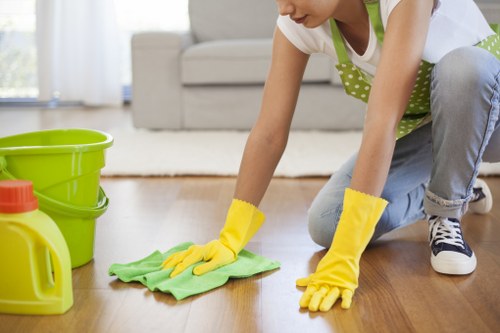
The first steps you take can make a major difference in pet stain odour removal. If an accident has just happened, act quickly to stop the liquid from spreading deeper into the surface. Blotting is usually better than rubbing, because rubbing can push the stain further into the fibres.
Begin by using paper towels or a clean cloth to absorb as much moisture as possible. Apply gentle pressure rather than scrubbing. Once the excess liquid is removed, rinse the area lightly if the surface allows it, then blot again. This helps reduce residue before deeper treatment begins.
After that, choose a cleaning product that suits the surface and the type of stain. A quality pet stain odour removal solution should neutralize odours rather than simply cover them. If the smell is strong, you may need to repeat the process more than once.
Useful first-response steps:
- Blot the area immediately.
- Use an appropriate cleaner for the surface.
- Allow time for the product to penetrate.
- Extract or blot out the moisture again.
- Dry the area thoroughly to prevent lingering damp smells.
The Best Methods for Pet Stain Odour Removal
There is no single method that works for every situation, but several proven techniques are highly effective for pet stain odour removal. Choosing the right method depends on how old the stain is, what surface is affected, and whether the odour has reached deeper layers.
1. Enzyme-based cleaning
Enzyme cleaners are among the most popular solutions for pet stain odour removal because they break down the organic matter that causes the smell. These cleaners are especially useful for urine, vomit, and other biological stains. They are often recommended for carpets, fabric furniture, and mattresses.
To use them properly, apply the cleaner generously to the affected area so it reaches the source. Allow it to sit for the recommended time, because the enzymes need time to work. Then blot or extract the moisture as instructed. This method is often one of the most effective forms of pet stain odour removal when used correctly.
2. Steam cleaning with caution
Steam cleaning can help with deep cleaning, but it is not always the best first choice for pet stain odour removal. Heat can sometimes set certain stains or odours if used too soon. However, once the area has been properly treated, steam cleaning may help refresh carpets and fabrics.
3. Deep extraction
For carpet and upholstery, deep extraction can remove residue trapped below the surface. This is often useful for severe odour buildup. Professional pet stain odour removal services frequently use this method because it can lift contaminants from both the visible layer and the underlying padding.
4. Odour-neutralizing treatments
Odour-neutralizing products help eliminate the smell instead of masking it. When paired with thorough cleaning, they can improve results significantly. For best outcomes, use these as part of a full pet stain odour removal process rather than as a stand-alone solution.
Pet Stain Odour Removal on Different Surfaces
Different materials need different care. If you use the same method everywhere, you may damage the surface or leave the smell behind. Tailoring your pet stain odour removal approach improves both safety and effectiveness.
Carpets and rugs
Carpets and rugs are especially vulnerable because liquids can soak down into the backing and underlay. For pet stain odour removal on carpet, start by blotting, then use an enzyme cleaner or specialized carpet solution. If the stain is old or deep, professional extraction may be needed. Let the carpet dry completely to prevent mildew or a damp pet smell.
Upholstery
For sofas, chairs, and cushions, always check the fabric tag before cleaning. Some materials require water-safe products only. Lightly apply the chosen cleaner, avoid oversaturating, and blot carefully. Pet stain odour removal on upholstery should be done with attention to airflow and drying time to protect the fabric.
Mattresses
Mattress odours can be difficult because liquid often travels into thick layers. Use an appropriate cleaner sparingly and allow the product to reach the affected area. After treatment, drying is essential. Fans, open windows, and dry towels can help speed up the process. Mattress pet stain odour removal may need repeated treatment for older accidents.
Hard floors
Tile, vinyl, laminate, and hardwood all need different care. Hard floor pet stain odour removal usually involves cleaning the surface and checking for seepage into seams or joints. On hardwood, too much water can cause damage, so a damp cloth and suitable cleaner are safer than soaking. For tile and grout, a deeper cleaning may be necessary to remove trapped odours.
What to Avoid During Pet Stain Odour Removal
Some well-intentioned cleaning habits can make the problem worse. Knowing what to avoid is just as important as knowing what to do. When handling pet stain odour removal, avoid using harsh chemicals that may damage fabrics, flooring, or finishes.
Do not use ammonia-based cleaners on urine stains if possible, because ammonia can resemble the smell of urine and may encourage pets to return to the area. Also avoid mixing cleaning products unless the label clearly says it is safe. Combining chemicals can create fumes or reduce cleaning effectiveness.
Another common mistake is using too much water. Over-wetting carpets and fabrics can spread the stain, push it deeper, and prolong drying time. In many cases, careful, targeted pet stain odour removal is more effective than aggressive soaking. Patience and precision often lead to better results than quick but heavy-handed cleaning.
How Professionals Handle Pet Stain Odour Removal
Sometimes home treatment is enough, but serious or repeated accidents may need expert help. Professional pet stain odour removal services typically start with inspection to locate the source of the smell and determine how deep it has spread. They may use moisture detection tools, blacklight inspection, or specialized cleaning equipment.
One of the biggest advantages of professional treatment is access to advanced extraction and deodorization methods. Professionals often use strong yet safe enzyme formulations, hot water extraction, and targeted treatments for padding, subflooring, or hard-to-reach areas. This can be especially valuable when the odour has persisted for weeks or months.
Professional pet stain odour removal can also save time and reduce stress. If you have tried multiple household methods without success, or if the smell keeps returning, bringing in a specialist may be the most efficient solution. It is also helpful when large areas, multiple rooms, or sensitive materials are involved.
When to consider expert help
- The stain has soaked into padding or flooring layers.
- The smell returns after cleaning.
- There are multiple accident spots.
- The material is delicate or expensive.
- You need faster, more reliable results.
Preventing Future Pet Stains and Odours
Successful pet stain odour removal is only part of the solution. Prevention helps keep your home cleaner and reduces the chance of repeat accidents. Start by identifying why the accident happened. A pet may be marking territory, struggling with training, experiencing stress, or dealing with a medical issue.
Regular cleaning routines also help. Vacuum carpets, wash pet bedding, and clean litter areas consistently. If an accident happens, deal with it quickly so it does not have time to settle into the surface. The faster your pet stain odour removal routine begins, the less likely the smell will linger.
Training, supervision, and environmental adjustments can make a major difference. For example, placing mats in high-risk areas, keeping litter boxes clean, and giving dogs more outdoor breaks can help reduce accidents. If your pet continues to have accidents frequently, a vet check may be necessary.
Prevention tips that support a cleaner home:
- Clean accidents immediately.
- Use pet-safe cleaners consistently.
- Maintain litter boxes and outdoor routines.
- Watch for behaviour changes.
- Address health issues early.
Choosing the Right Products for Pet Stain Odour Removal
Not every cleaner is suitable for every surface, so product choice matters. Look for formulations designed specifically for pet stain odour removal, especially those labeled safe for carpets, fabrics, or hard floors. Enzymatic solutions are often a strong choice because they attack the source of the odour.
For homeowners who prefer more natural cleaning, some mild solutions can help with fresh stains, but they may not be enough for deeper odours. Always test a new product on a hidden area first. This is especially important for upholstery, coloured rugs, and delicate flooring materials.
It is also helpful to consider scent. Some products smell strongly at first but fade after drying, while others have minimal fragrance. The best pet stain odour removal product should eliminate the smell without leaving a harsh chemical scent behind.
Look for these qualities:
- Enzyme action for organic stains.
- Surface compatibility.
- Non-damaging ingredients.
- Odour neutralization rather than masking.
- Clear instructions for application and drying.
Why Pet Stain Odour Removal Improves Indoor Comfort
A clean-smelling home feels more welcoming, relaxing, and comfortable. Effective pet stain odour removal can improve everyday living in noticeable ways. It helps freshen rooms, makes guests feel more at ease, and creates a healthier atmosphere for the people and pets living there.
Odour control also affects how you use your home. If a room has a lingering pet smell, you may avoid spending time there or hesitate to invite friends over. Once the problem is addressed, the space becomes more usable and enjoyable again. Good pet stain odour removal supports both hygiene and peace of mind.
In addition, eliminating stains and odours can protect property value over time. Carpets, floors, and upholstery last longer when accidents are cleaned properly and promptly. That means pet stain odour removal is not only about comfort; it is also a smart maintenance habit.
Book your service now if you are dealing with stubborn stains or recurring odours and want a cleaner result with less effort. If you prefer to handle it yourself, contact us today to learn more about the best approach for your surface and situation.
Final Thoughts on Pet Stain Odour Removal
Pet stain odour removal is most effective when it is fast, targeted, and matched to the material involved. Fresh accidents should be blotted immediately, while older stains may need enzyme treatment, extraction, or professional cleaning. The goal is not just to hide the smell, but to remove the source so it does not return.
By understanding how pet stains behave and using the right tools, you can restore freshness to carpets, upholstery, mattresses, and floors. A consistent routine, good prevention habits, and the occasional expert intervention can make a big difference over time.
If you are ready to take control of stubborn smells, contact us today or book your service now to move toward a cleaner, fresher, more comfortable home. Effective pet stain odour removal is possible, and with the right approach, your home can smell as good as it looks.