Curtain Cleaning in Home and Office Spaces: Fresh Fabrics, Better Air, and Longer Curtain Life
Why Curtain Cleaning Matters for Every Space
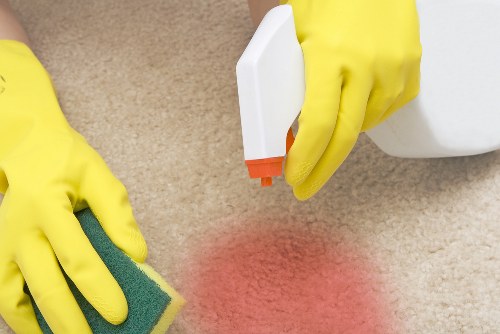
Curtains do far more than frame a window. They soften interiors, filter sunlight, improve privacy, and add a polished finishing touch to homes and workplaces. Yet because they hang quietly in the background, curtain cleaning is often overlooked until dust, odors, or visible stains become impossible to ignore. Regular curtain cleaning helps keep fabrics looking vibrant while also supporting a healthier indoor environment.
When curtains are left unwashed for too long, they can collect dust, pollen, pet dander, smoke particles, and everyday airborne debris. Over time, this buildup affects not only appearance but also indoor air quality. For families, office teams, and property owners, curtain cleaning is a practical part of keeping a space fresh and comfortable. It also helps protect the value of the fabric, especially for high-end drapes, blackout curtains, and delicate window treatments.
Curtain cleaning is not just about appearance; it is about preservation. Fabrics exposed to sunlight and indoor pollutants can fade or weaken faster when they are not cleaned properly. Choosing the right curtain cleaning method can prevent shrinkage, maintain texture, and extend the lifespan of your window coverings. In other words, a little care goes a long way.
Common Types of Curtains and Their Cleaning Needs
Not all curtains are created equal, and that means curtain cleaning should never be treated as one-size-fits-all. Fabric type, lining, construction, and embellishments all influence how a curtain should be maintained. Some curtains can be machine washed at home, while others need dry cleaning or specialized fabric care to remain in good condition.
Lightweight sheers, for example, may trap dust but usually require gentle handling because of their delicate weave. Heavy drapes often need more thorough curtain cleaning due to their weight and layered construction. Blackout curtains, thermal curtains, silk panels, velvet drapes, and embroidered fabrics each have unique cleaning requirements. Understanding these differences is the first step to protecting your investment.
For many households, the challenge is balancing convenience with care. Effective curtain cleaning means identifying the fabric, checking the care label, and selecting the safest method. When in doubt, professional curtain cleaning services can help preserve the look and feel of your window treatments without risking damage.
Fabric Types and What They Usually Need
Cotton curtains often tolerate more frequent washing, though they may still wrinkle or shrink if treated too aggressively. Linen curtains have a natural, elegant texture but can lose their shape if cleaned incorrectly. Polyester curtains are generally more forgiving and are popular because they are relatively easy to maintain. Meanwhile, silk and velvet often call for careful dry cleaning or specialist curtain cleaning methods.
- Sheer curtains: Delicate washing or low-impact professional cleaning.
- Blackout curtains: Attention to backing materials to avoid cracking or peeling.
- Velvet curtains: Gentle dust removal and specialist care.
- Thermal curtains: Careful cleaning to preserve insulation layers.
- Embroidered curtains: Minimal agitation to protect stitching and detailing.
Knowing your fabric helps prevent common mistakes. Curtain cleaning becomes much easier once you understand what the material can and cannot handle. That knowledge also makes it easier to decide between home cleaning and professional support.
Signs Your Curtains Need Cleaning

It is not always obvious when curtain cleaning is overdue. Many people only notice the problem when the curtains start looking dull or the room develops a stale smell. A better approach is to watch for subtle signs that indicate your window coverings need attention.
One common sign is visible dust. If you run your hand across the fabric and see a gray film, it is time for curtain cleaning. Fading color can also signal that dust and grime have settled into the fibers. Another clue is lingering odor. Curtains absorb cooking smells, pet odor, smoke, and general indoor scents, especially in rooms with limited airflow.
Allergy symptoms can also point to dirty curtains. Sneezing, watery eyes, and congestion may worsen when dust and allergens accumulate on fabric surfaces. In busy homes and offices, regular curtain cleaning can make a noticeable difference in comfort and cleanliness.
Practical Warning Signs to Watch For
Look for these indicators when deciding if your curtains need cleaning:
- Dust buildup: A visible layer of dust along folds or hems.
- Discoloration: Dullness, yellowing, or faded areas near windows.
- Odors: Musty, smoky, or cooking-related smells trapped in fabric.
- Allergies: More frequent symptoms when spending time near the curtains.
- Stains: Spots from spills, fingerprints, or moisture.
If any of these issues appear, curtain cleaning should move higher on the maintenance list. Acting early helps keep the problem from spreading deeper into the fabric. That means less wear, fewer stubborn stains, and a fresher-looking room.
Pro tip: In homes with pets, children, or heavy traffic, curtain cleaning may be needed more often than you expect. High-use spaces simply collect more airborne debris and fabric odors.
Benefits of Regular Curtain Cleaning
The benefits of curtain cleaning extend beyond appearance. Clean curtains improve the way a room feels, smells, and functions. They can also protect the health of people who live or work in the space. Because curtains cover large areas of wall and window surface, they act like fabric filters that catch particles floating in the air.
One major benefit is improved indoor air quality. Dust and allergens often cling to textile fibers, especially in rooms where windows are opened frequently or air circulation is inconsistent. By keeping up with curtain cleaning, you reduce the amount of debris being recirculated into the room. This is especially helpful for people with asthma or seasonal allergies.
Another important benefit is fabric longevity. Dirt and dust act like fine abrasives that can wear down fibers over time. Regular curtain cleaning helps remove these particles before they cause permanent damage. The result is a longer-lasting curtain with better color, texture, and overall appearance.
Additional Advantages Worth Noting
Here are more reasons curtain cleaning is worth the effort:
- Better light quality: Clean curtains let natural light appear softer and more appealing.
- Improved room freshness: Fabrics no longer trap stale or unpleasant odors.
- Enhanced aesthetics: Crisp, clean drapes instantly make a space look more refined.
- Preserved fabric structure: Proper cleaning prevents premature wear and flattening.
- Reduced allergen buildup: Helps support a more comfortable environment.
For businesses, curtain cleaning can also reinforce a professional image. Clients and staff notice when an office feels fresh and well cared for. In hospitality, retail, and shared workspaces, clean fabric window treatments contribute to a more welcoming atmosphere.
When curtains look and smell clean, the entire room feels more inviting.
Home Curtain Cleaning vs Professional Curtain Cleaning
Some curtain cleaning tasks can be handled at home, especially for lightweight or machine-washable curtains. However, home methods are not always the safest choice. The wrong water temperature, detergent, or drying process can lead to shrinkage, fading, or distortion. That is why many people choose professional curtain cleaning for delicate or expensive fabrics.
Home cleaning may work well for simple synthetic curtains, but it requires time, effort, and attention to detail. You need to remove the curtains carefully, follow the washing instructions, and rehang them correctly. Even then, results may vary depending on fabric type and how much dirt has built up.
Professional curtain cleaning offers deeper fabric care. Trained cleaners can assess the material, select the best treatment, and handle stubborn dirt without compromising the curtain’s structure. For heavy drapes, lined curtains, or specialty fabrics, this approach is often the safest and most effective.
How to Decide Which Option Is Best
Use the following factors to choose your curtain cleaning method:
- Fabric sensitivity: Delicate fabrics usually need specialist care.
- Size and weight: Large curtains can be difficult to wash and dry at home.
- Stain severity: Set-in stains often need professional treatment.
- Time available: Home cleaning can be labor-intensive.
- Manufacturer instructions: Always check the label before proceeding.
If a curtain is lined, pleated, embroidered, or made from luxury material, professional curtain cleaning is usually the smarter choice. It reduces risk while delivering a more polished result. For everyday curtains, a careful home routine can still be effective between deep cleans.
Step-by-Step Curtain Cleaning Routine at Home
For washable curtains, a thoughtful routine can keep fabrics fresh between professional appointments. Good curtain cleaning begins before the first wash. Start by dusting or vacuuming the curtains with a soft brush attachment. This removes loose dirt and helps prevent buildup in the wash cycle.
Next, remove all hooks, rings, and accessories if the care label instructs you to do so. Check for stains and spot-treat them gently. Use a mild detergent and wash the fabric according to its label instructions. Avoid overloading the machine, because curtains need room to move freely during the cleaning process.
Drying is just as important as washing. Some curtains should air dry to prevent shrinkage, while others may require low heat. Rehang curtains while they are slightly damp if the care label allows it, as this can help reduce wrinkles. A proper home curtain cleaning routine can keep fabrics looking fresh without unnecessary damage.
Helpful Home Cleaning Tips
- Vacuum weekly: Light vacuuming helps control dust between washes.
- Spot clean quickly: Address spills before they become permanent marks.
- Use gentle detergent: Harsh chemicals may weaken fibers or alter color.
- Test first: Try any cleaning solution on a hidden section before applying it broadly.
- Steam with caution: Only use steam if the fabric is safe for it.
These small habits support better curtain cleaning results and reduce the need for heavy intervention. Consistency matters, especially in rooms with high dust exposure or constant sunlight.
Professional Curtain Cleaning Methods Explained
Professional curtain cleaning is more than a simple wash. It often involves fabric assessment, stain treatment, deep dust removal, and a method matched to the material. The goal is to clean thoroughly while protecting the curtain’s structure, color, and finish.
One common method is dry cleaning, which uses specialized solvents rather than water. This is often suitable for delicate fabrics, structured curtains, and materials that may shrink or distort when wet. Another approach is steam cleaning, which can help loosen dirt and refresh fabric without full immersion. Some professional services also offer on-site curtain cleaning for added convenience.
Choosing the right technique matters. The ideal curtain cleaning method depends on the fabric, level of soiling, and care instructions. Professional support is especially useful when the curtains are expensive, large, or difficult to remove.
Why Professional Methods Can Deliver Better Results
Professional curtain cleaning often provides benefits that are hard to match at home:
- Fabric-safe assessment: The right method is chosen for the exact material.
- Deeper cleaning: More dust, odors, and embedded dirt are removed.
- Stain treatment: Problem areas receive targeted attention.
- Reduced damage risk: Less chance of shrinkage, tearing, or fading.
- Convenience: Less effort is required from the homeowner or office manager.
For many people, this level of care makes professional curtain cleaning a valuable investment. It saves time while preserving the appearance and quality of the fabric.
How Often Should Curtains Be Cleaned?
The ideal curtain cleaning schedule depends on the environment. In a low-traffic room, cleaning once or twice a year may be enough. In busy households, kitchens, living rooms, offices, and spaces with pets, more frequent cleaning is usually recommended. Curtains near open windows, busy roads, or smokers may also need more attention.
As a general rule, light dusting or vacuuming should be done regularly, while deeper curtain cleaning can be scheduled every few months to once a year. Kitchens may require more frequent care due to grease and odor absorption. Bedrooms and living areas often need a balanced schedule based on usage and air quality.
Regular maintenance is always easier than dealing with heavy buildup later. That is why many property owners use a simple seasonal routine to track when curtain cleaning is due.
Suggested Cleaning Frequency by Room
- Living room: Every 6 to 12 months, depending on dust and sunlight.
- Bedroom: Every 6 to 12 months, or more often with allergies.
- Kitchen: Every 3 to 6 months because of grease and odors.
- Office: Every 6 months in high-use professional settings.
- Children’s rooms: Every 4 to 6 months if dust or stains are common.
These timelines are flexible, but they provide a useful starting point. The more traffic and airborne particles a room has, the more often curtain cleaning should be performed.
Stain Removal and Odor Control for Curtains
Stains and odors are two of the most common reasons people seek curtain cleaning. Spills from food, drinks, or household products can leave visible marks if not addressed quickly. Odors, meanwhile, tend to settle into fibers over time, especially in spaces where cooking, smoking, or pets are present.
For stains, the key is to act fast and avoid rubbing too aggressively. Blotting is usually safer than scrubbing. Mild cleaners may work for light stains, but deeper marks often require professional curtain cleaning. Delicate fabrics can be especially vulnerable to damage if harsh stain removers are used incorrectly.
Odor control often begins with dust removal. Vacuuming, airing out the room, and using fabric-safe treatments can help. However, when odors are deeply embedded, deep curtain cleaning is usually the most effective solution. Fresh fabric not only looks cleaner but also helps the entire room smell better.
Keeping Curtains Fresher for Longer
To reduce stains and odors between washes, try these habits:
- Open windows when weather allows to improve airflow.
- Keep curtains away from cooking splatter where possible.
- Use tiebacks in busy areas to reduce contact and dust buildup.
- Vacuum nearby surfaces regularly to limit particle transfer.
- Address spills immediately before they settle into the fibers.
These habits support better curtain cleaning outcomes and help maintain a fresher environment overall.
Maintaining Curtains Between Deep Cleans
Good maintenance reduces the strain on your curtains and makes each curtain cleaning session more effective. Between deep cleans, regular care keeps dust from settling too deeply and helps preserve the fabric’s appearance. A simple maintenance routine is often enough to extend the time between major cleanings.
Weekly dusting or vacuuming is one of the easiest and most useful habits. In addition, checking for early signs of damage, loose seams, or fading can help you catch small issues before they become bigger problems. If you notice an odor developing, open the room and increase air circulation as a first step.
Curtain cleaning works best when paired with consistent upkeep. The cleaner the fabric stays day to day, the easier it is to refresh when the time comes for a deeper wash or professional service.
Simple Maintenance Checklist
- Dust or vacuum curtains regularly.
- Check care labels before any washing.
- Keep windowsills and surrounding areas clean.
- Protect curtains from excess moisture.
- Schedule routine curtain cleaning based on room usage.
This kind of routine is small, but it makes a big difference in fabric care and indoor freshness.
Why Curtain Cleaning Supports a Healthier, Better-Looking Space
At its best, curtain cleaning does more than refresh fabric. It supports healthier indoor air, improves the look of a room, and helps protect the curtain investment over time. Whether the curtains are in a home, apartment, office, or commercial setting, they play a visible and functional role in the space. That makes their maintenance worth the effort.
When curtains are clean, windows appear brighter, colors look richer, and the whole room feels more polished. Clean fabrics also reduce the accumulation of dust and allergens that can affect everyday comfort. For anyone aiming to create a pleasant environment, curtain cleaning is a simple but important step.
If your curtains are overdue for attention, now is the right time to act. Book your service now or choose a careful home cleaning routine that suits your fabric type. Contact us today to keep your curtains fresh, your space healthier, and your windows looking their best.