Stain Removal in Everyday Life: Practical Methods That Actually Work
Stain removal is one of those household tasks that can feel frustrating in the moment, yet satisfying when done correctly. Whether you are dealing with coffee on a shirt, wine on a carpet, grease on a kitchen towel, or ink on upholstery, the right stain removal approach can save time, money, and stress. The good news is that effective stain removal is not about using the strongest product available; it is about understanding the type of stain, the fabric or surface involved, and the right sequence of treatment.
Many people search for stain removal tips because they want fast results without damaging clothing or furniture. That is why learning a few reliable stain removal techniques can make a real difference in daily life. Some stains respond best to cold water, while others need enzyme-based cleaners, degreasers, or gentle blotting methods. Using the wrong approach can set a stain permanently, so knowing what to do first matters more than doing a lot.
In this article, we will look at stain removal from a practical, user-friendly angle. You will learn how different stains behave, which household items can help, and how to protect fabrics and surfaces during the stain removal process. We will also explore common mistakes, preventative habits, and when it makes sense to use professional cleaning support.
Understanding Stain Removal Before You Start

Successful stain removal starts with understanding what you are removing. Not all stains are the same, and different stains react differently to water, heat, detergents, and cleaning agents. A protein stain such as blood or milk behaves differently from a tannin stain like tea or coffee, and greasy stains require a different strategy altogether. The more you know about the stain, the better your stain removal results will be.
It also helps to think about the material involved. Cotton, polyester, wool, silk, upholstery, carpet, and hardwood all require different levels of care. For example, stain removal on a cotton shirt may involve soaking and washing, while stain removal on a sofa may require careful spot treatment and minimal moisture. Matching the stain removal method to the surface is the safest route.
One of the most important rules in stain removal is to act quickly. Fresh stains are usually easier to remove than old, set-in ones. Blotting immediately, avoiding heat, and using the right solution early can dramatically improve your chances of success. Speed matters, but so does technique.
Common Types of Stains and How They Behave
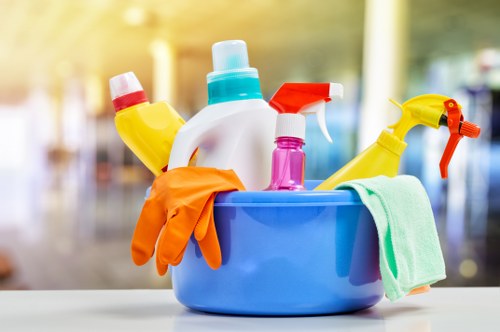
Different stain types call for different stain removal strategies. Knowing the category can help you choose the right method without guessing. The most common stain categories include protein stains, tannin stains, oil-based stains, dye stains, and organic stains. Each one has a different chemical makeup, which affects how it attaches to fibers and surfaces.
Protein stains often come from foods and body fluids such as egg, blood, dairy, or sweat. These stains usually respond best to cold water and enzyme detergents. Tannin stains, which come from coffee, tea, wine, and fruit juice, are often more visible on light fabrics and may require careful pre-treatment. Oil-based stains from grease, makeup, lotion, or cooking oil need stain removal solutions that break down fats.
Dye stains are often stubborn because they involve pigments from marker ink, colored drinks, or transfer from other clothing. In these cases, stain removal may require repeated treatment and patience. Organic stains like mud, grass, and food residue often need drying, scraping, and washing in stages. Understanding the stain type is the first step toward smarter stain removal.
Why stain type matters
When people rush into stain removal without identifying the stain, they often make the problem worse. Heat can bond some stains to fibers, while scrubbing can spread the stain further. By separating stains into categories, you can use the right method and avoid unnecessary damage.
Stain Removal on Clothing: Fabric-Safe Techniques
Clothing is one of the most common places where stain removal is needed, and it is also one of the easiest places to make mistakes. A shirt, dress, or pair of trousers may look resilient, but repeated scrubbing or the wrong chemical can weaken fibers, fade colors, or create water spots. That is why fabric-safe stain removal matters so much.
For most clothing stains, start by blotting excess liquid with a clean cloth or paper towel. Then check the care label before using any stain removal product. If the fabric is washable, test the treatment on an inconspicuous area first. Mild detergent, white vinegar, baking soda, and oxygen-based cleaners are often useful for general stain removal, depending on the stain type.
Avoid using hot water too early. Heat can set many stains, especially protein-based ones and some dye stains. Instead, rinse with cold water first and treat the area gently. If the stain remains after washing, do not place the garment in the dryer, because heat from the dryer can make stain removal far more difficult later.
Best practices for stained clothes
- Blot, do not rub, to avoid spreading the stain.
- Check fabric labels before starting stain removal.
- Pre-treat the area before washing the item.
- Use cold water for blood, dairy, and many food stains.
- Air dry until you are certain the stain is gone.
For delicate fabrics like silk or wool, stain removal should be done even more carefully. A gentle detergent or specialist cleaner may be better than DIY scrubbing. If a valuable garment is involved, cautious stain removal is always the safer choice.
Stain Removal in the Kitchen: Grease, Sauces, and Spills
The kitchen is a frequent battleground for stain removal because so many substances can spill, splatter, or drip there. Grease from frying pans, tomato sauce on countertops, coffee on dish towels, and turmeric on plastic containers are all common problems. Kitchen stain removal often depends on whether the surface is absorbent or non-porous.
On fabric items like aprons and towels, dish soap can be especially effective because it is designed to cut through grease. Apply a small amount directly to the stain, let it sit briefly, and rinse with warm or cool water depending on the fabric. For porous surfaces such as grout or unsealed stone, stain removal should be gentler because harsh cleaners may cause discoloration.
Countertops, stovetops, and sinks usually need a different stain removal approach than clothing. A soft sponge, mild cleaner, and quick wipe-down can prevent buildup. The faster you treat kitchen spills, the less likely they are to leave a lasting mark. For stubborn sauce stains, repeated light treatment often works better than aggressive scrubbing.
Useful kitchen stain removal items
- Dish soap for grease and cooking oil.
- Baking soda for light abrasion and odor control.
- White vinegar for certain mineral and food stains.
- Microfiber cloths for blotting and wiping.
- Soft brushes for textured surfaces.
Kitchen stain removal becomes much easier when you develop habits like wiping spills immediately, washing dish towels regularly, and avoiding heat on stained textiles until the mark is gone.
Stain Removal on Carpets and Upholstery
Carpets and upholstery require careful stain removal because the fibers can trap liquids deep below the surface. A small spill may look harmless at first but become a noticeable stain after drying. The main rule here is to use as little moisture as possible while still lifting the stain effectively.
Start by blotting the spill immediately with an absorbent cloth. Press downward without rubbing. For many household stains, a solution of mild dish soap and water can be applied lightly with a cloth, then blotted again. Repeat as needed, always working from the outside of the stain toward the center to prevent spreading. This simple stain removal method works surprisingly well for coffee, juice, and some food spills.
For upholstery, check the fabric code if available. Some materials are water-safe, while others require solvent-based cleaning only. Carpet stain removal may also involve using a wet-dry vacuum after treatment. Never saturate the area, because too much liquid can create odor, mold, or a larger stain ring.
When dealing with upholstery, remember:
- Use minimal liquid during stain removal.
- Test cleaners before applying them to visible areas.
- Blot multiple times instead of scrubbing hard.
- Allow full drying between treatments if needed.
For older carpet stains, repeated stain removal cycles may be necessary. If the stain has penetrated deeply or the upholstery is delicate, professional cleaning may produce better results than repeated DIY attempts.
Household Stain Removal Solutions That Are Often Effective
Many people prefer stain removal methods that use ingredients already available at home. This can be convenient, affordable, and effective for minor to moderate stains. However, the key is using the right product for the right stain. A universal cleaner does not exist, but several household staples can be part of a smart stain removal routine.
White vinegar is often useful for deodorizing and treating some light stains, especially on washable fabrics and hard surfaces. Baking soda can help absorb odors and loosen residue. Liquid dish soap is one of the best stain removal products for oils and grease. Hydrogen peroxide may work on some organic stains, though it should be tested carefully because it can lighten some fabrics.
Never mix random cleaning chemicals. Safe stain removal depends on using products correctly and separately. For example, combining bleach and ammonia is dangerous. Even natural ingredients should be used thoughtfully, since some surfaces react poorly to acid or alkaline solutions. Good stain removal is as much about caution as it is about power.
Common household products used in stain removal
- White vinegar
- Baking soda
- Liquid dish soap
- Hydrogen peroxide
- Enzyme-based laundry detergent
- Rubbing alcohol for certain inks
These solutions can support everyday stain removal, but they should still be used with care. Test first, use small amounts, and rinse well when necessary.
How to Avoid Making Stains Worse
One of the biggest reasons stain removal fails is that people accidentally lock the stain in place. Scrubbing too hard, using hot water too soon, or applying the wrong product can all make the problem more difficult. Learning what not to do is just as important as learning what to do.
Rubbing a stain can push it deeper into the fibers. This is especially true for carpet stain removal and upholstery stain removal, where pressure can spread liquid into a larger area. Likewise, drying a stained item before treatment can make the stain harder to remove later. If you are unsure about a product, test it in a hidden area before full use.
Patience is a key part of stain removal. Some marks respond quickly, while others need several rounds of treatment. Taking your time and following the correct sequence often gives better results than using a harsher product once. A careful process usually leads to cleaner, safer stain removal outcomes.
Common mistakes to avoid
- Using heat before the stain is fully removed.
- Scrubbing aggressively.
- Mixing cleaning chemicals.
- Ignoring the fabric care label.
- Waiting too long to treat the stain.
Special Stains That Need Extra Care
Some stains are more stubborn than others and require specialized stain removal methods. Ink stains, red wine, blood, makeup, paint, turmeric, and grass can all be challenging. These stains may look small but behave aggressively once absorbed into fibers. A targeted stain removal approach improves the odds of success.
Ink stains may respond to rubbing alcohol or specialist ink removers, but only with careful spot testing. Blood stains should generally be treated with cold water and enzyme detergent, never hot water at the start. Red wine often benefits from immediate blotting and stain removal with a suitable pre-treatment, while makeup stains may need dish soap or degreaser because many cosmetic products are oil-based.
Paint stains depend on whether the paint is water-based or oil-based. Water-based paint may be easier to remove if treated quickly, while oil-based paint often requires solvent-based stain removal methods. Turmeric and grass stains are notorious for leaving color behind, so repeated treatment may be necessary. For difficult stains, quick action and the right product matter more than force.
Extra caution for delicate surfaces
Leather, suede, silk, and some synthetic fabrics can be damaged by standard stain removal methods. These materials may need specialty care or professional cleaning to avoid permanent marks. If the item is expensive or irreplaceable, conservative stain removal is usually the wisest path.
Preventing Future Stains with Simple Habits
While stain removal is important, prevention saves time and effort. Small habits can reduce the number of stains you deal with each week. Using placemats, wiping shoes at the door, treating clothing before washing, and keeping stain removal supplies close at hand all make a difference.
In the laundry room, sorting clothes properly can prevent color transfer stains. Washing new garments separately the first time helps avoid dye bleeding. In the kitchen, using splash guards and cleaning up spills quickly can prevent stubborn marks on walls, counters, and floors. On carpets, routine vacuuming removes debris that can make stain removal harder later.
Preventive care is part of effective stain removal. If you build a few simple routines into daily life, stains become less frequent and less intimidating. This not only protects your clothes and home but also reduces the need for repeated deep cleaning.
Helpful prevention habits
- Treat spills immediately.
- Keep a stain removal kit accessible.
- Wash stained items before drying.
- Use protective covers on furniture.
- Follow care labels and surface instructions.
When Professional Stain Removal Makes Sense
Sometimes DIY stain removal is not enough. Large stains, delicate materials, set-in marks, or valuable items may need professional attention. Professional cleaners often have access to specialized products, extraction tools, and fabric knowledge that improve the odds of recovery. If you have tried gentle stain removal methods without success, it may be time to get expert help.
Professional stain removal can also be useful for items such as wedding garments, upholstered furniture, area rugs, and high-end fabrics. These surfaces can be expensive to replace, so investing in proper cleaning can be more cost-effective than taking risks with harsh chemicals. In many cases, professionals can reduce or eliminate the stain while protecting the material underneath.
If an item holds sentimental or financial value, do not guess. Careful stain removal by an experienced cleaner may protect the item and save you from making a costly mistake. Contact us today or book your service now if you need support with difficult stains that require specialized care.
Building a Smart Stain Removal Routine
A smart stain removal routine is not complicated. It simply means staying prepared, acting quickly, and choosing the right method for the right stain. Keep a few essentials on hand: clean cloths, mild detergent, baking soda, white vinegar, and a stain pen or pre-treatment solution. With these items, many everyday stain removal problems can be addressed before they become permanent.
It also helps to create a simple step-by-step process. First, identify the stain. Second, blot away excess material. Third, test a cleaner. Fourth, treat the stain gently. Fifth, rinse or wash according to the fabric and care instructions. This approach reduces guesswork and improves stain removal consistency.
Good stain removal is about method, not luck. By understanding stain types, using safe products, and avoiding common mistakes, you can handle most household stains with confidence. Whether the issue is clothing, carpet, upholstery, or kitchen surfaces, the right stain removal strategy can make a big difference in the final result.
For homeowners, renters, and families alike, stain removal is a practical skill worth learning. It protects your belongings, keeps your home looking fresh, and saves money over time. When in doubt, treat stains gently, work step by step, and choose solutions that match the material. That is the foundation of effective stain removal that delivers lasting results.